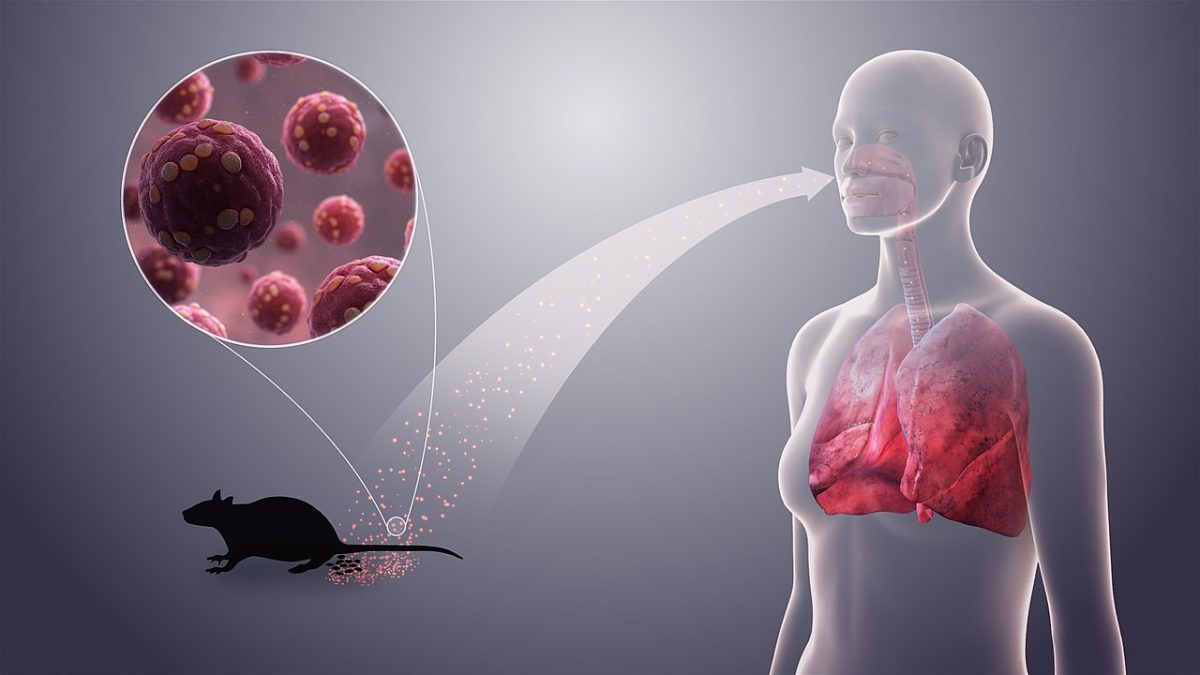
The looming “threat” of the hantavirus, also known as the Orthohantavirus genus, has gone viral across social media platforms due to its similarities to COVID-19. In reality, the potential for a large-scale lockdown is unlikely because transmission of the virus is limited to individuals in very close proximity to one another.
The hantavirus is already present in the U.S. and is commonly contracted by inhaling airborne particles from wild rodent droppings. Recently, concern over the virus rose in May 2026 due to an outbreak of the rare Andes strain of the hantavirus on the MV Hondius, a cruise ship. The virus, which can be spread from person to person under close contact, resulted in 13 infections and three deaths among passengers and crew. To prevent it from spreading, public health officials quarantined 18 exposed American passengers to a containment facility at the University of Nebraska Medical Center, where they are quarantining for 42 days.
“I don’t think about [the hantavirus] because most of the hantaviruses aren’t person-to-person transmitted,” AP Biology teacher Jeremy Schratwieser said. “Only the Andes virus is transmitted person-to-person. Therefore, in most cases, you need to be exposed to aerosolized particles of rodent waste or saliva to be infected.”
This situation went viral across social media platforms, with some users deeming the situation as “Global Lockdown 2.0.” Public health officials emphasized that another nationwide lockdown is highly unlikely because person-to-person transmission of the Andes virus consists of close, prolonged contact, unlike the rapid spread of airborne respiratory viruses.
The anxiety surrounding the virus highlights concerns about educational setbacks.
“I really hope it is not the next [COVID-19] but lots of people are saying it will be,” sophomore Gabriella Flores said. “[COVID-19] impacted my learning as I got behind in some classes.”
COVID-19 was considered a highly contagious virus that spread easily through the air. The virus emerged during early winter, a time when cases of viral pneumonia usually increase. This allowed it to spread subtly and quickly.
The key difference between the two viruses is COVID-19 was driven by a specific combination of factors that do not apply to the current situation. Additionally, the Centers for Disease Control and Prevention reports that every case in this current outbreak has occurred exclusively among passengers or crew who were aboard the ship. There is no ongoing transmission of the Andes virus anywhere in the world.
“[The fast-spreading conclusions about the hantavirus were] really interesting and concerning,” junior Harper Magee said. “Lots of people believe whatever shows up online [is true]. I think students need to be more careful and fact check their sources more often. With the up and coming age of AI, students need to be especially careful with what they believe.”