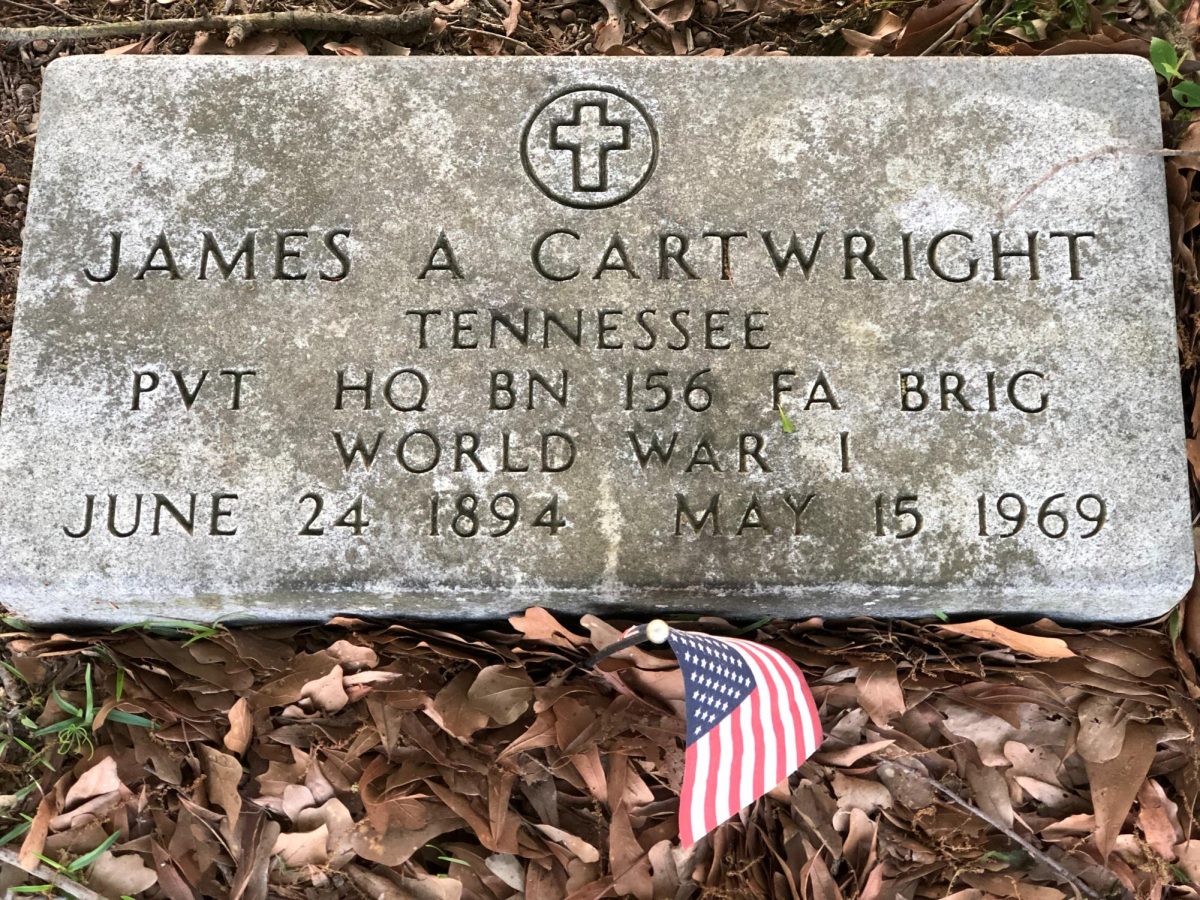
Relatives return on the Day of the Dead to visit their living families and commemorate their lives with a joyous celebration. The Day of the Dead, or “Día de Muertos,” is a Mexican holiday meant to celebrate life and family. People all across Mexico, South America and the Southern U.S. gather at the graveyards on Nov. 1 and Nov. 2 with food, flowers and candles.
The holiday and its traditions are also taught at Ocean Lakes in Spanish classes to eager students.
“There’s a lot of stuff to connect the topic to your own experiences,” sophomore Teegan Watson said. “People make the ofrenda and put stuff that was close to the family member that passed on.”
Some students even celebrate it with their families, such as senior Flor de Maria Lima-Avila.
“For me, the day of the dead is such an important holiday because we can celebrate people who have passed away and honor them spiritually,” Flor said.
Flor and her family decorate an “ofrenda” and reconnect with their passed family.
The “ofrenda” in Mexican culture is an altar inside the relatives home that includes pictures of those who you are remembering, candles and things they loved in life. Marigold petals are also commonly scattered from their grave to the ofrenda as a way to guide the spirits back to their home.
The Day of the Dead is also known as “All Saints Day” which is specifically on Nov. 1, where people perform a mass prayer for the dead. The following day is “All Souls Day” where relatives end the holiday with a commemorative feast.
“Recuerdales,” Spanish teacher Amber Moore said. “It means: remember them.”
The origin of the holiday comes from 3,000 years ago in pre-Columbian Mesoamerica, where Aztec and Nahua people had a cyclical view of the universe. In their culture, after death, souls would have to pass nine trials to reach their “final resting place,” which is called “Mictlán.”
Families put food, water and tools to aid them in their journey. While the history is a myth, the holiday is highly celebrated with a more modern take.
Contrary to the Celtic holiday Halloween, The Day of the Dead focuses on guiding their families spirits home, rather than scaring away unwelcome ghosts. Due to their resemblance on paper, traditions between them get mixed with each other, which has led to false opinions on The Day of the Dead.
“It’s not about being scared or dressing up in a costume of trick or treating to get candy, it’s honoring the loved ones and celebrating their life and all those who knew them,” said Spanish teacher Jessica Charlton.
The Day of the Dead is meant to celebrate people who have passed on and let their lives be known by all, related or not.
“The important thing about the holiday is not to forget about the people who have passed, even if we didn’t meet them,” Spanish teacher Gloria Rosado said.