
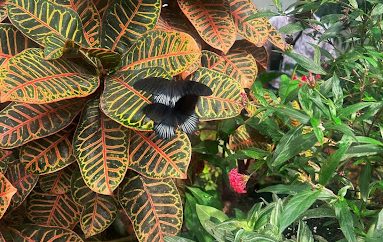
With spring starting to blossom in the air, insects have slowly started to creep out of hiding and pollinate the plants. The familiar buzz of a bee has a way of sending people swatting or ducking out of panic. However, most people fail to realize that bees and other pollinators are some of the most important creatures on the planet.
Bees, butterflies and other pollinating species make it possible for plants to reproduce by carrying pollen from one flower to another. Without them, many of the foods people rely on everyday would become scarce, expensive or disappear altogether.
That alone should be enough to earn pollinators some appreciation. But their impact goes beyond what ends up on a plate. Pollinators support entire ecosystems by helping plants grow, which provides food and shelter for animals and helps keep the natural world functioning.
Still, bees tend to get a bad reputation. For many, the fear of being stung overshadows everything else. It’s understandable–nobody enjoys getting stung–but it is also largely misplaced. Many native bee species are solitary and rarely interact with humans. Most bees are not aggressive and will only sting if they feel threatened. Honeybees, for example, can only sting once, meaning they avoid it unless absolutely necessary.
Other pollinators are even less threatening. Butterflies, moths and beetles pose no danger at all, and they play a major role in pollination. In other words, the insects people fear most are often the least interested in them.
At the same time, these essential species are in trouble. Habitat loss, climate change and pesticide use have all contributed to declining pollinator populations. That should be a bigger concern than the occasional backyard encounter. Losing pollinators would mean far more than a peaceful afternoon outdoors; it would affect supplies, ecosystems and the environment as a whole.
The good news is that helping pollinators does not require dramatic changes. Planting flowers, reducing pesticides use or simply allowing a small area of a yard to grow naturally can make a difference. Even small actions can create safe spaces for pollinators to thrive.
A shift in mindset matters too. Instead of reacting with fear, it may be time to see bees and other pollinators for what they are: essential workers of the natural world. So the next time you see any type of pollinator just remember, they are not out to harm people; they are busy doing a job that benefits everyone.




Freddie A • Jun 8, 2026 at 11:21 am
Great story!
amelia • May 8, 2026 at 9:48 am
i like this a lot