Things are bought and disposed of much more today than in the past, but doing too much of that can damage the world. It is vital for people to think carefully about the things they buy and throw away to help lessen the effects of overconsumption.
Overconsumption is when people consume more than is sustainable, resulting in depletion of natural resources and pollution. Some examples of industries with an overconsumption issue are the clothing, tech and makeup and beauty industries.
As demand for clothes rises and changes, companies produce them faster and cheaper with less quality. These lower quality clothes then wear out quicker and have to be thrown away, meaning more clothes ending up in landfills. Millions of tons of clothes are sent to landfills every year, and the amount is only increasing.
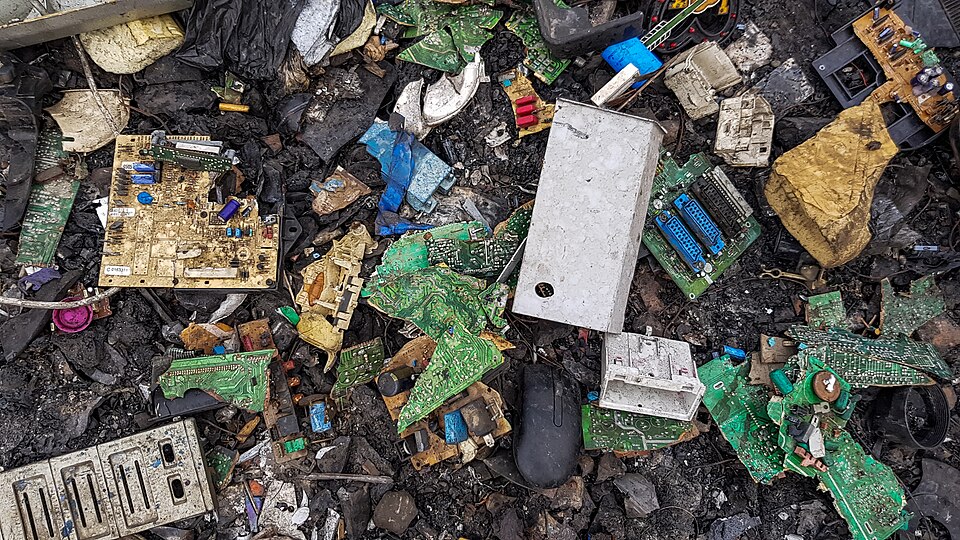
For the tech industry, as new models of different technology come out, older models are thrown away in favor of them, creating e-waste which can leak toxins into the environment if not properly recycled and disposed of. For example, over half of cell-phone users replace their phones only within 2-3 years of buying their old one. 19% of American adults, almost 1 in 5, end up throwing these phones away in the trash.
Another industry with this issue is the makeup and beauty industry, which constantly sells and markets new shades of lipsticks, blushes, powders and more. However, all of these have expiration dates that they have to be used by before they become unsafe to use. When people buy too much makeup at once, there’s usually too much product for them to finish by themselves before the product expires, leading to product waste and more makeup in landfills.
Overconsumption is exacerbated by social media, where trends and advertising push people to buy items that they will only use for a short time or will not use at all. A post in Michigan’s Journal of Economics, for example, shows how hyperspecific fashion trends are encouraging people to buy clothes that, with the speed at which social media changes, will likely go out of fashion very quickly.
Some of the things people do to fight against overconsumption is to be mindful of what they buy and think about whether or not they will actually use or need the product they are purchasing.
Buying things secondhand can also help reduce waste, so old products are not just thrown away.
Learning to repair products like clothes or technology could also help reduce the waste that could be caused by just trashing them while usually also saving consumers the money they would’ve used to buy a replacement.
People should learn to be more mindful and careful about the things they buy and throw away to help lessen the effects of overconsumption on the environment.